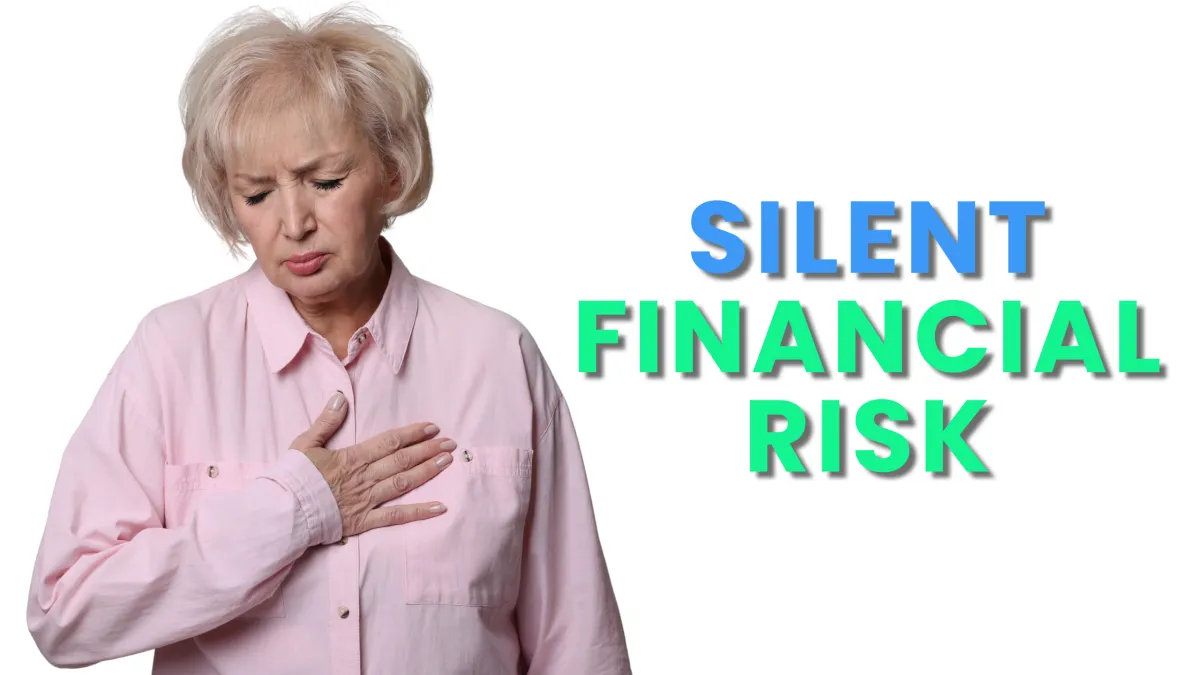
The Silent Financial Risk of Heart Attacks and Strokes (And How to Protect Yourself Before It’s Too Late)
The Silent Financial Risk of Heart Attacks and Strokes
(And How to Protect Yourself Before It’s Too Late)
Heart attacks and strokes don’t just impact your health—they can crush your finances too.
While most people focus on survival (as they should), few realize how these medical emergencies can lead to long-term financial stress. The scariest part? It can happen to anyone, at any time—even if you have health insurance.
Here’s what you need to know to stay prepared.
The Hidden Cost of Surviving a Major Health Event
Thanks to medical advances, survival rates are higher than ever. But surviving is only the beginning.
The real financial hit comes after you leave the hospital:
Lost income during recovery
Long-term rehab or physical therapy
Transportation and travel for follow-ups
At-home nursing or modifications (like wheelchair ramps)
Out-of-pocket medical costs and prescriptions
Childcare or household help if you can’t work or drive
Even with great health insurance, these expenses add up fast—and aren’t always covered.
According to the American Heart Association, the average cost of surviving a heart attack or stroke can reach well over $30,000 in the first year alone.
Health Insurance Is Not Enough
Health insurance pays for a portion of your treatment, but:
It won’t cover your rent or mortgage
It won’t replace your paycheck
It won’t pay for your gas, groceries, or child’s tuition
You need a backup plan—a financial safety net that helps with everything outside the hospital.
The Solution: Critical Illness Coverage or Living Benefits
Critical illness insurance pays you a lump sum of cash if you're diagnosed with a covered condition—like a heart attack, stroke, or cancer.
Use the money however you need:
Pay bills
Cover your deductible
Replace income
Take time to heal without rushing back to work
Or choose a life insurance policy with living benefits that lets you access a portion of your death benefit if you experience a major illness.
It’s peace of mind—without draining your savings or burdening your family.
🎯 Final Thoughts
You can’t always prevent a heart attack or stroke—but you can protect your finances if one happens.
The time to prepare is before the emergency, not after.
🗓️ Ready to build your financial safety net?
👉 Get a Free Critical Illness or Living Benefit Quote
https://www.lifeandhealthhub.com/
It’s quick, affordable, and could save your family thousands.
